
Introduction
Armed Forces Day honors every branch of the modern U.S. military—but its roots run deeper, back to the citizen‑soldiers of the 18th century. Long before a professional army existed, local men answered the call to defend their homes. Today, we celebrate their spirit and explore how community‑based militias shaped the Revolution.
Militia Structure & Community
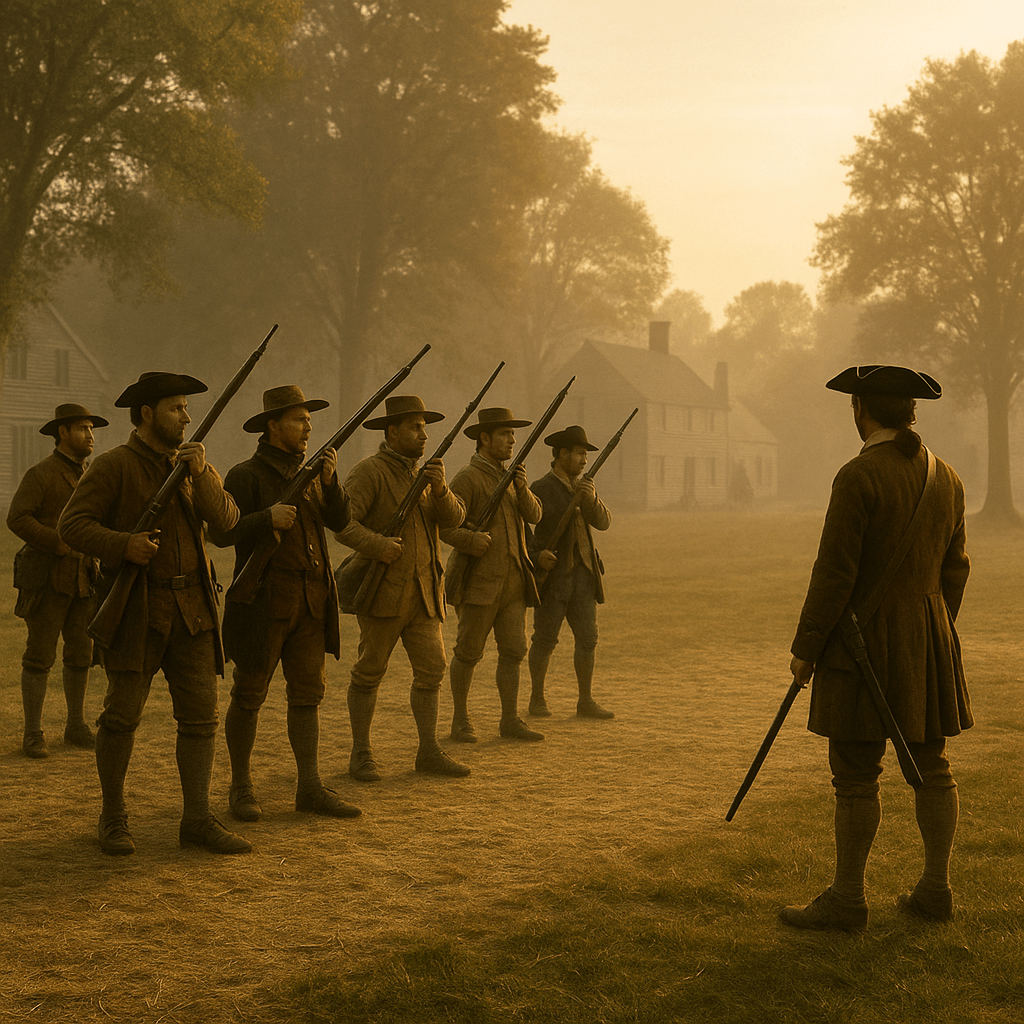
In towns from Boston to Charleston, able‑bodied colonists formed volunteer companies overseen by elected officers. Members trained on village greens, drilling on weekends in homespun uniforms. These militias were not just military units but social networks—fellowship forged by shared purpose and sawdust‑strewn training grounds.
Notable Militia Actions
Before George Washington’s Continental Army could muster, militias engaged in pivotal skirmishes. At Lexington and Concord, Captain John Parker’s Minutemen stood their ground against British regulars. Lesser‑known fights—like the ambush at Great Bridge (December 1775)—revealed how local knowledge turned the tide in favor of American forces.
Personal Story: Henry Bush Jr.
As a young militiaman, Henry carried a small wooden block with his father’s nearly finished sparrow carving. During his fevered recovery after escaping British captivity on the Raritan’s frozen banks, Henry completed the bird’s wings. That talisman became a beacon of courage, reminding his comrades—and himself—to endure.
 The Patriot Legacy Project
Leave a comment