

Salem Poor
🏛️ Salem Poor – American Revolution Soldier Stats
| Full Name | Salem Poor |
| Born | c. 1747, Andover, Massachusetts |
| Died | 1802 |
| Former Status | Enslaved, Purchased Freedom (1769) |
| Military Service | Continental Army |
| Notable Battles | Bunker Hill (1775), Saratoga (1777), Valley Forge (1777-78) |
| Heroic Feat | Recognized for gallantry at Bunker Hill, receiving a commendation from 14 officers |
| Recognition | Called a “brave and gallant soldier” in an official petition |
| Post-War Life | Faced financial struggles despite his service |
See Salem’s Story Below
Salem Poor
The Dawn of Battle
It was the morning of June 17, 1775. The sunlight’s first rays touched the hills of Charlestown, Massachusetts. Colonial militiamen hastily fortified their position on Breed’s Hill. They were preparing for the impending British assault. Among them stood Salem Poor. His journey from enslavement to military service encapsulated the paradoxes of a fledgling republic. This republic was espousing liberty while perpetuating bondage.
From Slavery to Freedom
Poor was born into slavery in Andover, Massachusetts, in 1747. During his early years, he was under the control of John and Rebecca Poor and forced to labor for them. In 1769, at the age of 22, he secured his freedom. He purchased himself for 27 pounds. This was a significant sum that reflected both the value placed on enslaved labor. It also showed the economic agency that some African Americans exercised. Though legally free, Poor still navigated a colonial society structured by racial hierarchies and systemic inequities.
A New Life in a Divided Nation
By 1771, he had married Nancy Parker, a free Black woman. Together, they built a life amid the mounting tensions between the American colonies and British imperial rule. When armed conflict erupted, Poor enlisted in the First Andover Company as a private. He took up arms to defend ideals that, while aspirational, had not yet been extended to men like him.
Heroism at the Battle of Bunker Hill
The Battle of Bunker Hill took place on June 17, 1775. It was a key event in the Revolutionary War. It tested the colonial militia’s strength. Fought on Breed’s Hill, the battle showed the determination of the Patriots and the power of the British army. As the British troops advanced under fire, outnumbered colonial soldiers fought back bravely. Amid the chaos, Salem Poor stood out. Surrounded by smoke, he gained the respect of white officers. Fourteen of them officially praised him as a “brave and gallant Soldier” to the Massachusetts legislature.
Service Beyond Bunker Hill
Poor’s military service went beyond Bunker Hill. It included significant engagements like the battles of White Plains and Saratoga. He also endured the grueling winter encampment at Valley Forge. His dedication underscored the critical, yet often overlooked, role that African Americans played in securing American independence. The paradox of his service, yet, remained stark. He fought for a nation that denied him full citizenship. This nation would continue to marginalize Black veterans in the post-war era.
Struggles in Post-War America
Despite his wartime contributions, Poor’s later years were marked by economic hardship. He faced legal troubles, including imprisonment for debt. This was a fate not uncommon for Revolutionary War veterans. Many African Americans were often excluded from the limited benefits afforded to their white counterparts. His struggles show the wider systemic challenges. These challenges were faced by Black soldiers who had risked their lives for a nation. That nation remained hesitant to recognize their full humanity.
The Enduring Influence of Salem Poor
Salem Poor’s legacy continues as a powerful testament. It highlights the contributions of African Americans in the Revolutionary War. His story embodies the tension between the rhetoric of liberty and the realities of racial exclusion. It serves as both an inspiration and a reminder of the unfinished work of American democracy.
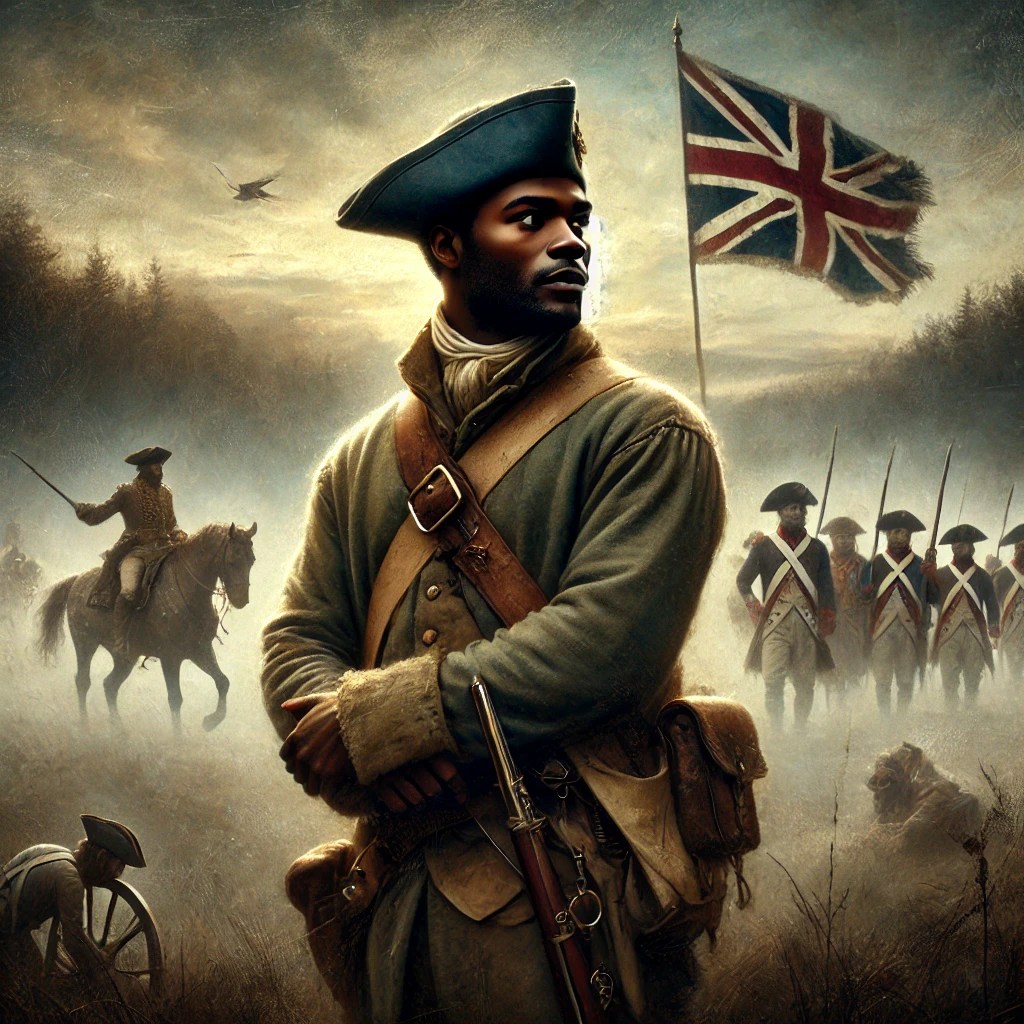
Colonel Tye
🏛️ Colonel Tye – American Revolution Soldier Stats
| Full Name | Titus Cornelius (Colonel Tye) |
| Born | c. 1753, New Jersey |
| Died | 1780 |
| Former Status | Enslaved, Escaped (1775) |
| Military Service | Black Brigade (British Loyalists) |
| Notable Battles | Raids on Patriot strongholds, Battle of Monmouth |
| Heroic Feat | Led guerrilla raids against the Patriots, known for his tactical brilliance |
| Recognition | Feared and respected by both sides for his military skill |
| Post-War Life | Died from a wound infection after a raid in 1780 |
See Colonel Tye’s Story Below
Colonel Tye
The Rise of Colonel Tye
The American Revolution was a war of shifting allegiances and promises of freedom. Still, for many enslaved African Americans, the clearest path to liberation lay not with the Patriots but with the British. Colonel Tye took up arms for the Crown. He was a feared and formidable Loyalist guerrilla leader. His name struck terror into the hearts of rebel forces.
Escaping Bondage
Titus was born in New Jersey around 1753. He spent his early life enslaved under a Quaker named John Corlies. Though Quakers were known for their anti-slavery sentiments, Corlies did not extend such principles to his own household. But in 1775, as revolution brewed in the American colonies, the winds of change provided Titus with an opportunity.
Lord Dunmore, the Royal Governor of Virginia, issued his famous proclamation. He offered freedom to enslaved people who joined the British forces. Titus seized the moment. He fled bondage and found refuge among the Loyalist ranks, adopting a new name—Colonel Tye. His title was honorary. It was not officially granted. Yet, his battlefield prowess soon made him a feared name among the Patriots.
A Loyalist Guerrilla Leader
Most Black soldiers joined the British side and served in regular units like the Ethiopian Regiment. Unlike them, Tye mastered guerrilla warfare. Tye led a group of Black and white Loyalist raiders called the “Black Brigade.” He orchestrated a campaign of ambushes, raids, and sabotage against Patriot forces in New Jersey.
His men were known for their swift, brutal attacks on Patriot homes, supply lines, and military outposts. Tye particularly targeted known slaveholders, liberating the enslaved and striking a symbolic blow against the hypocrisy of the Revolutionary cause. In an era when most battles were fought in rigid lines, his tactics made him an elusive and dangerous opponent.
Terror in Monmouth County
Colonel Tye and the Black Brigade earned a reputation in Monmouth County. This occurred in New Jersey throughout the late 1770s. They became infamous in that area. One of their most daring raids took place in 1779. They attacked and captured Joshua Huddy. He was a notorious Patriot militia leader. Tye’s forces besieged Huddy’s home, withstanding hours of resistance before dragging him away as a prisoner.
While the British valued Tye’s strategic prowess, they did not always intervene in the fates of captured Patriots. Loyalist forces executed Huddy later. This act provoked outrage among American rebels. It escalated the cycle of violence between Patriots and Loyalists.
The Wounds of War
In 1780, during one of his many raids, Colonel Tye was shot in the wrist. Though the wound seemed minor at first, it led to tetanus or gangrene, which eventually proved fatal. He died later that year, marking the end of one of the most feared Loyalist fighters of the war.
The Legacy of Colonel Tye
Unlike many Black soldiers who fought in the American Revolution, Tye did not seek acceptance. He did not seek freedom from the Patriots—he fought against them. His allegiance to the British was strategic. It was not out of loyalty to the Crown. It was a move for self-preservation and liberation.
His story challenges the traditional narratives of the Revolution as a simple battle between freedom-loving Patriots and oppressive Redcoats. For men like Colonel Tye, the fight was not about forming a new nation. It was about breaking free from the chains of slavery. They used any means necessary to achieve this. Though he did not live to see the war’s end, his actions left an indelible mark on history. His legacy demonstrates the power of resistance. It shows the complexities of allegiance in a world where true freedom was still far from reach.
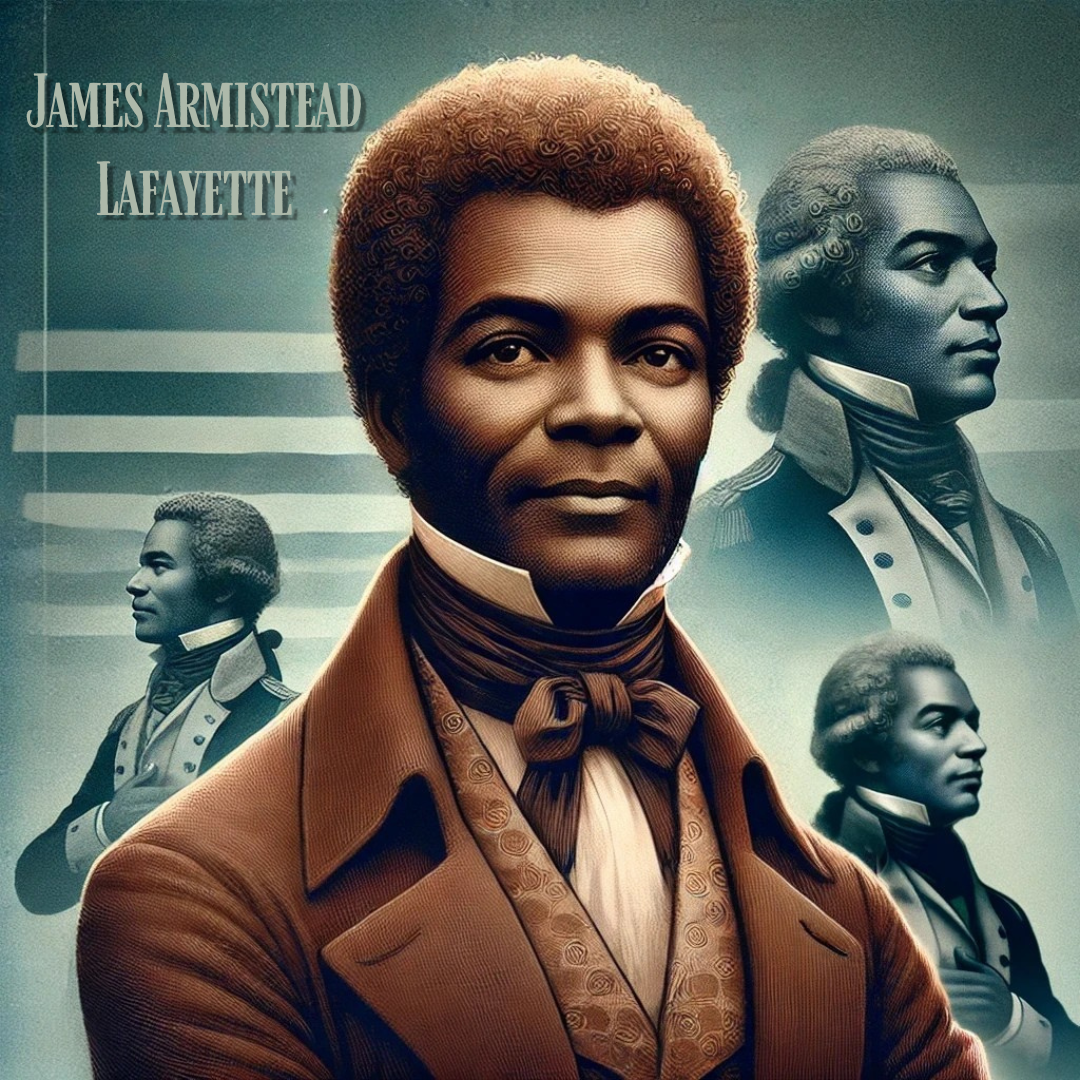
James Armistead Lafayette
🏛️ James Armistead Lafayette – American Revolution Soldier Stats
| Full Name | James Armistead Lafayette |
| Born | c. 1747, Andover, Massachusetts |
| Died | 1802 |
| Former Status | Enslaved, Purchased Freedom (1769) |
| Military Service | Continental Army |
| Notable Battles | Bunker Hill (1775), Saratoga (1777), Valley Forge (1777-78) |
| Heroic Feat | Recognized for gallantry at Bunker Hill, receiving a commendation from 14 officers |
| Recognition | Called a “brave and gallant soldier” in an official petition |
| Post-War Life | Faced financial struggles despite his service |
See James’ Story Below
James Armistead Lafayette
The Double Life of James Armistead Lafayette
The American Revolution was won not just on battlefields. It was also won in the shadows, where intelligence and deception shaped the course of history. James Armistead Lafayette was one of the most effective spies of the war. He was an enslaved man who risked everything. He infiltrated British ranks and delivered vital intelligence to the Patriot cause.
From Enslavement to Espionage
James Armistead was born into slavery in Virginia around 1748. He lived under the ownership of William Armistead, a wealthy planter. When the war broke out, enslaved men were often faced with an impossible choice. They stayed with their owners and hope for eventual freedom. Alternatively, they fought in a war where the promises of liberty were uncertain. In 1781, James made his choice. He volunteered to serve under the Marquis de Lafayette. Lafayette was a French general aiding the American cause.
Rather than taking up arms, James was assigned a far more dangerous task—espionage. His mission was to infiltrate British forces and gather intelligence. This task required deception. It also needed courage and an unparalleled ability to manipulate trust.
Infiltrating the British Army
James Armistead posed as a runaway slave. He sought refuge with the British Army, a common occurrence during the war. British commanders, including the notorious Benedict Arnold and General Charles Cornwallis, readily accepted him. They were unaware of welcoming a double agent into their ranks.
James was perceived as an uneducated servant. Because of this, he was allowed to move freely between British camps. He delivered messages and ran errands. In reality, he was meticulously gathering troop movements, battle plans, and strategic weaknesses. James passed this intelligence back to Lafayette and the Continental Army. He fed the Patriots information that would prove crucial in the final campaigns of the war.
Turning the Tide at Yorktown
James Armistead provided vital intelligence. It played a crucial role in the American victory at the Siege of Yorktown in 1781. His reports confirmed that Cornwallis had stationed his forces in a vulnerable position. This allowed the united American and French armies to launch a decisive assault.
Yorktown became the war’s turning point. It led to the eventual surrender of British forces. This event paved the way for American independence. Yet, despite his invaluable contributions, James returned to life as an enslaved man. The promise of freedom for Black soldiers did not automatically extend to those who had served as spies.
Fighting for His Freedom
Even after aiding in the defeat of the British, James Armistead remained legally bound in servitude. Yet, his former commander, the Marquis de Lafayette, personally intervened. He wrote a testimonial in 1784 praising James’s service. He urged that James be granted his freedom. With this powerful endorsement, James successfully petitioned the Virginia legislature and was emancipated in 1787.
In gratitude, he took the surname “Lafayette.” He wanted to honor the man who had fought not just for American independence. The Marquis de Lafayette also fought for his personal freedom.
The Legacy of a Forgotten Hero
James Armistead Lafayette’s contributions to the American Revolution are remarkable. They are among the most remarkable stories of the war. Yet, they are underappreciated. His ability to navigate both worlds was crucial. He deceived the enemy and secured critical intelligence. These actions played a pivotal role in ensuring the Patriots’ victory.
His story is a testament to the hidden figures of history. They fought in unconventional ways. They risked everything for a cause that did not yet see them as equals. The Revolution secured independence for a nation. Still, men like James Armistead Lafayette had to continue fighting for the most basic freedoms. Others had long taken these freedoms for granted. His life is an inspiration. It also serves as a reminder that the fight for liberty did not end in 1781. It merely changed form.
 The Patriot Legacy Project