
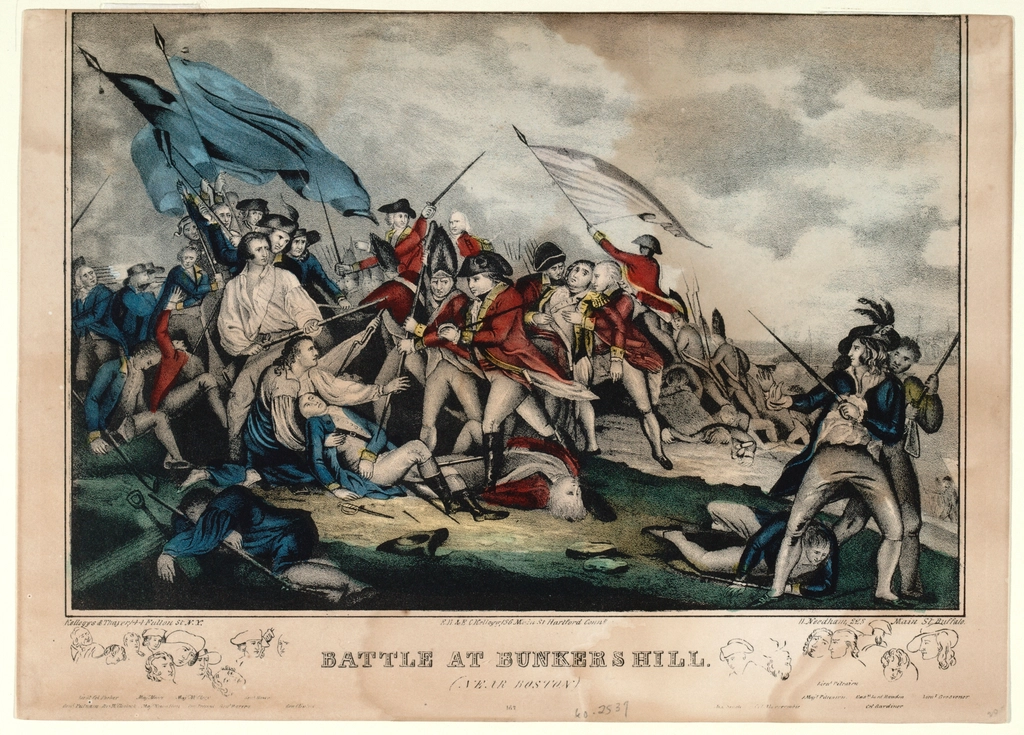
The First to Fall: Joseph Warren and the Cost of Freedom
Joseph Warren was a prominent American physician and a key figure in the early stages of the American Revolution.
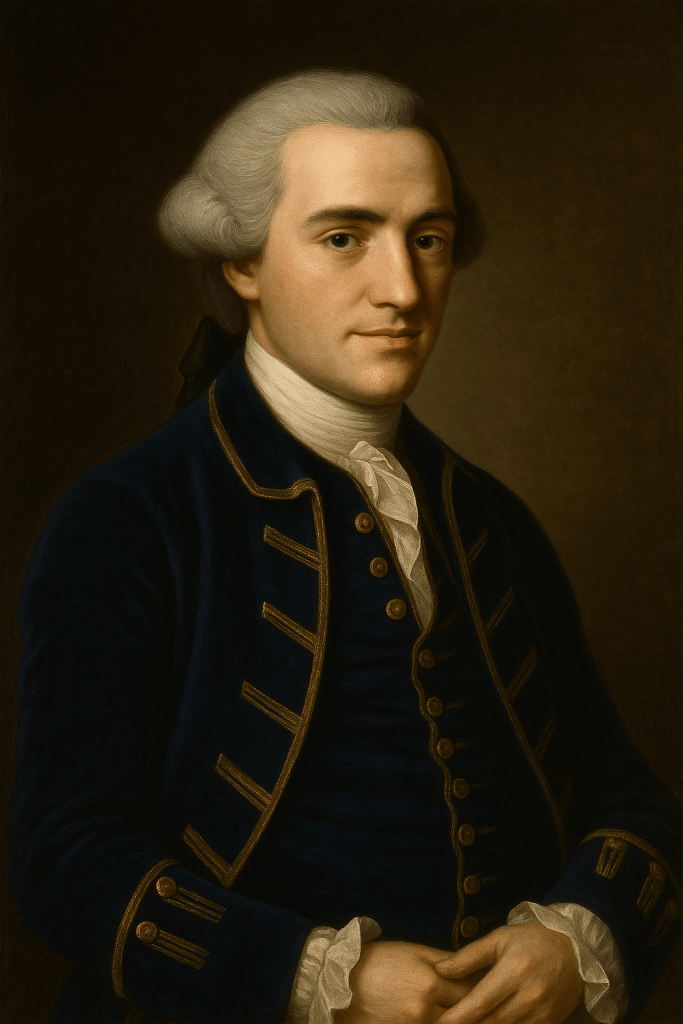
Born on June 11, 1741, in Roxbury, Massachusetts, he was the eldest of four children to Joseph and Mary Warren. His father, a respected farmer, died in a farming accident when Joseph was about 14 years old.
Warren attended Harvard College, graduating in 1759. He then pursued a career in medicine, establishing himself as a leading physician in Boston. In 1764, he married Elizabeth Hooten, with whom he had four children: Elizabeth, Joseph, Mary, and Richard. Elizabeth passed away in 1772, leaving Warren a widower with young children.
Beyond his medical practice, Warren was deeply involved in the political movements opposing British colonial policies. He became a member of the Sons of Liberty and played a significant role in the Massachusetts Committee of Correspondence. Warren was instrumental in drafting the Suffolk Resolves. These were a set of resolutions that rejected the Coercive Acts. They called for economic sanctions against Britain.
On April 18, 1775, Warren dispatched Paul Revere and William Dawes on their famous midnight rides. They were sent to warn the colonial militias of the approaching British forces. The next day, he actively participated in the Battles of Lexington and Concord. He coordinated and led militia forces against the British troops.
Warren’s leadership and dedication were recognized. He was appointed as a major general by the Massachusetts Provincial Congress on June 14, 1775. Still, just three days later, he chose to fight as a volunteer private in the Battle of Bunker Hill. During this intense conflict, Warren was fatally shot on June 17, 1775, at the age of 34. His death was a significant loss to the Patriot cause. He was widely mourned as a martyr for American independence.
Warren’s legacy endures. Many counties and towns are named in his honor. This reflects the profound impact he had on the fight for American liberty.
A Family That Died Young
After the death of Dr. Joseph Warren at the Battle of Bunker Hill in 1775, his four children were cared for by family members. Elizabeth, Joseph, Mary, and Richard were also looked after by close friends.
Elizabeth Warren (1765–1804)
“The Firstborn in the Shadow of Revolution”
Elizabeth Warren, the eldest daughter of Dr. Joseph Warren, was just ten years old when her father was killed at Bunker Hill. In the years that followed, she was taken in by her uncle, Dr. John Warren, who stepped in to guide and protect the children of his fallen brother.
As she came of age, Elizabeth married General Arnold Welles and settled in Boston. Despite her ties to two prominent Revolutionary families, Elizabeth’s life remained largely out of public view. She passed away at the age of 39, leaving no children behind.
Elizabeth did not continue the Warren bloodline. Her life was a testament to quiet endurance during an era of upheaval. She carried the weight of legacy without the chance to pass it on.
Joseph Warren Jr. (1768–1790)
“A Scholar’s Promise, Silenced Too Soon”
Joseph Warren Jr., the only son of Dr. Joseph Warren to reach adulthood, was raised under the guidance of his uncle, Dr. John Warren—his father’s brother and a physician of rising renown in postwar Boston. Determined to follow a path worthy of his name, Joseph Jr. graduated from Harvard College in 1786, just like his father had before the war.
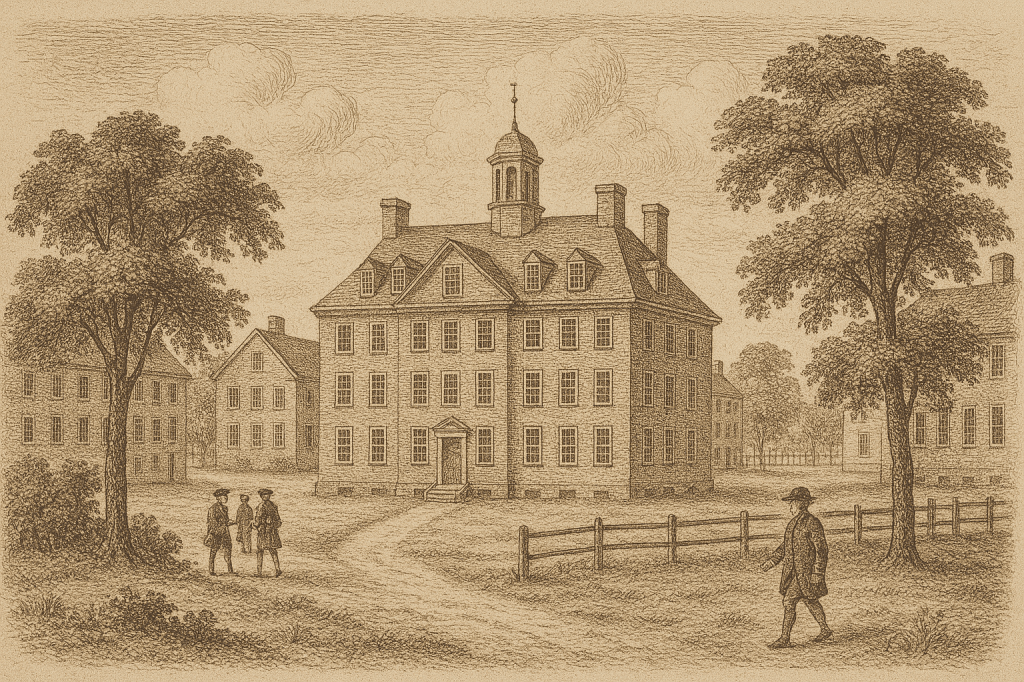
He later served as a militia officer. He was stationed at Castle Island. This continued the Warren family’s commitment to public service and defense. Joseph’s adult life was just beginning to take shape. He died suddenly in 1790 at the age of 22.
His death marked the end of what many believed had been a brilliant career in medicine, leadership, or politics. The promise of his father’s legacy lived in him—but was extinguished far too soon.
Mary Warren Newcomb (1770–1826)
“The Matriarch Who Carried the Legacy”
Known affectionately as Polly, Mary Warren was the third child of Dr. Joseph Warren. Her father died at Bunker Hill. She was raised by her grandmother during one of the most turbulent times in American history.
Mary later married Judge Richard E. Newcomb of Greenfield, Massachusetts, and together they had one son—Joseph. That single line of descent made her the sole child of Dr. Joseph Warren to pass on his legacy by blood.
Without Mary, the Warren name would have ended with her generation. She carried not only her father’s memory but his future—and that future leads directly to me.
Richard Warren (1772–1793)
“The Youngest Son, Lost Before His Time”
Richard Warren, the youngest child of Dr. Joseph Warren, was born into a nation still finding its footing. Richard grew up without ever truly knowing his father. He matured during the fragile aftermath of the Revolution.
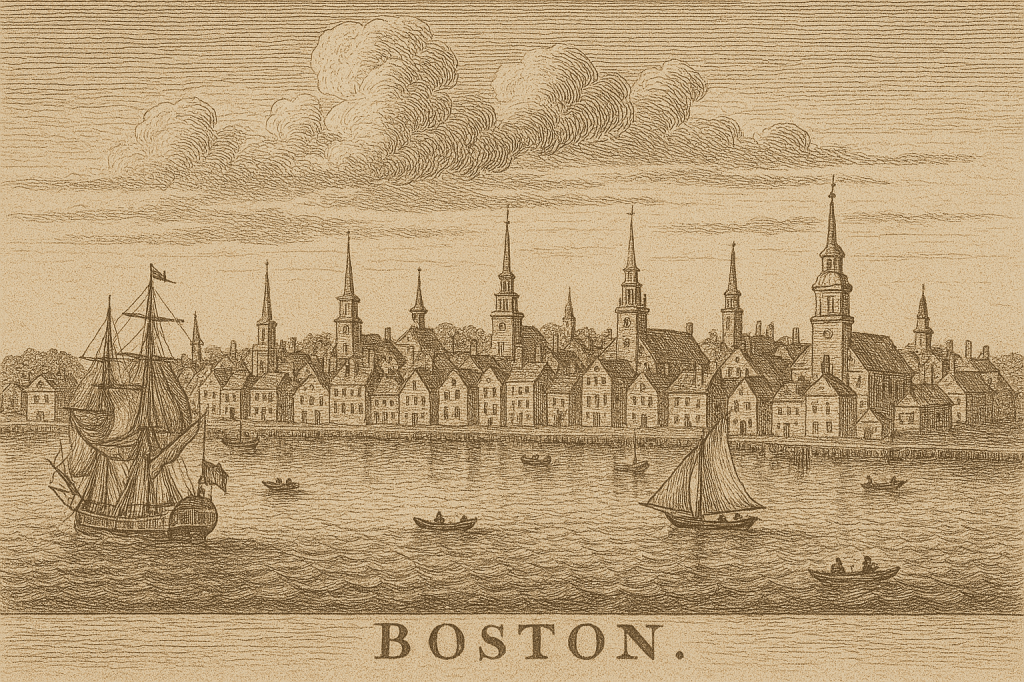
He chose a path in business. He did not pursue war or politics. He carved out his own place in a rapidly changing Boston. But like his brother Joseph Jr., Richard’s life was cut tragically short. He died at the age of 21, his story barely begun.
Richard left no children behind. He was part of a generation that inherited the costs of liberty. They bore its weight in silence.
The early deaths of Joseph Jr. and Richard meant that Mary was the only one of Dr. Joseph Warren’s children to have descendants. Family members and the community supported the care and education of the Warren children. This reflects the high regard in which their father was held.
 The Patriot Legacy Project